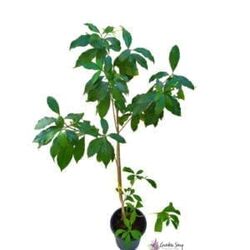
Crepe Jasmine (Tabernaemontana Coronaria)
Common Name: Crepe Jasmine
Botanical Name: Tabernaemontana Coronaria
Also known as:
Crepe Jasmine
Adam’s Apple
Broad-leaved Rosebay
Coffee Rose
Crape Jasmine
Crepe Gardenia
East Indian Rosebay
Flower of Love
Indian Carnation
Moonbeam
Nero’s Crown
Pinwheel Flower
Crepe Jasmine is an evergreen flowering shrub.
Crepe jasmine forms a moderately dense, rounded, evergreen shrub. The spiraling white flowers are particularly prominent in the warmer months of the year, but they sta...
Crepe Jasmine (Tabernaemontana Coronaria)
Common Name: Crepe Jasmine
Botanical Name: Tabernaemontana Coronaria
Also known as:
Crepe Jasmine
Adam’s Apple
Broad-leaved Rosebay
Coffee Rose
Crape Jasmine
Crepe Gardenia
East Indian Rosebay
Flower of Love
Indian Carnation
Moonbeam
Nero’s Crown
Pinwheel Flower
Crepe Jasmine is an evergreen flowering shrub.
Crepe jasmine forms a moderately dense, rounded, evergreen shrub. The spiraling white flowers are particularly prominent in the warmer months of the year, but they stand out against the dark green, glossy evergreen leaves in any season.
This plant may be grown in full sun or partial shade. It tolerates many different soil conditions, including some flooding. It does not tolerate salinity. Crape jasmine can be used as a shrub border-screen or hedge when planted 5 ft apart. It has medium texture, shiny foliage, and attractive flowers. It is also useful in background plantings. With time, it can be developed into an attractive small tree-like shrub.
Some gardeners report a light fragrance in the morning and evening, while many others report that it has no fragrance at all.
Crepe jasmine grows in full sun to shade, but they look best when grown in filtered shade (indirect sunlight).
This plant is great for creating a shrubbery border; it also looks good as a specimen plant, and its rounded form makes it a fabulous foundation planting against a windowless wall (it will grow large enough to obscure a window).
These plants thrive in moist, well-drained soil, but grow well with minimal water once well established. Plants perform best in acidic soil; when they are planted in more alkaline soils they made need fertilizer for best results.
Read More